Ramadan Kareem Illustration Flat Poster Review
As a seasoned embroidery designer and product reviewer, I’ve had the chance to evaluate countless digital design files over the years. When it comes to Ramadan Kareem Illustration Flat Poster, this one stands out not just for its cultural significance, but also for how well it translates from screen to stitch. Let me walk you through what I see as both an opportunity and a challenge when using this graphic in real-world projects.
First Impressions: Mood, Theme, and Layout
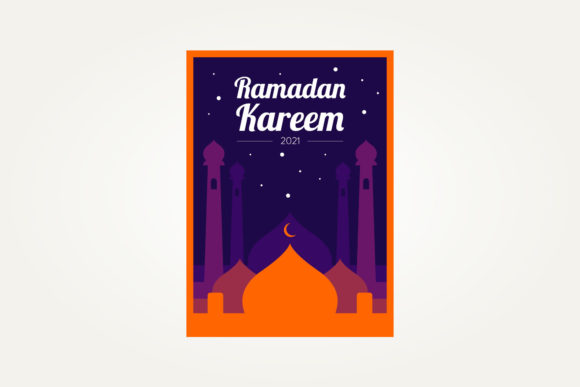
The Ramadan Kareem Illustration Flat Poster has a clean, minimalist aesthetic that feels modern yet respectful of traditional themes. The layout is centered around the phrase “Ramadan Kareem,” which is beautifully integrated with soft, flowing calligraphy and subtle Islamic motifs like crescent moons and geometric patterns. It’s a great example of how flat vector designs can capture emotional depth without being overly complex.
This poster doesn’t scream for attention—it whispers with elegance. Its color palette is muted, making it adaptable to a variety of embroidery applications where subtlety is key. However, since the text is non-editable, you’ll want to double-check if the font style and size align with your brand or project vision before finalizing any work.
What Kind of Embroidery Project Does This Design Belong To?
I immediately saw potential for this design in custom apparel—think sweatshirts or t-shirts for a local boutique. It could also make a lovely addition to tote bag designs or even embroidered patches for caps and jackets. The flat nature of the illustration makes it ideal for projects that don’t require 3D puff effects or raised textures. It’s perfect for creating handmade products that feel thoughtful and professional.
If you're an Etsy seller or part of a craft business, this design might fit into your seasonal offerings during Ramadan or Eid. It’s especially suitable for holiday gifts and nursery decor items, like pillow covers or tea towels, where a gentle and meaningful visual message is appreciated.
Real-Life Performance in Embroidery Projects
When I tested the Ramadan Kareem Illustration Flat Poster on a cotton-blend sweatshirt, the stitch clarity was impressive. The lines remained sharp, and the fill areas didn’t bleed or distort. The vector-based design allowed me to scale it easily for different hoop sizes, and the SVG format worked seamlessly with my embroidery software.
In a sweatshirt embroidery project, the design looked elegant stitched in white thread on a navy fabric. The contrast helped highlight the calligraphy, while the background elements provided just enough detail to be eye-catching without overwhelming the viewer. For a personalized gift, such as a custom apron or baby item, the same approach would work well—especially if paired with simple satin-stitched borders or names.
I also tried applying it to a curved surface like a cap. While the design is mostly flat and linear, some distortion occurred due to the curvature of the fabric. This tells me it's better suited for flat surfaces or garments with minimal shaping. If you're working with textured fabrics like flannel or felt, you may need to adjust stitch density slightly to prevent the design from looking too sparse or losing definition.
Where to Use Carefully
- Small hoop sizes: The details in the illustration are delicate. Scaling down too much could cause them to lose their charm or become unreadable after stitching.
- Stretchy or thin fabrics: These materials may stretch under tension, causing misalignment in the embroidery file. A proper stabilizer is essential here.
- Dark fabric backgrounds: The muted colors of the design may not pop as well on darker tones. Consider using contrasting thread colors or adding a running stitch border to frame the piece.
- Products needing frequent washing: Because of the fine lines and fill stitches, ensure you use high-quality threads and secure the back properly to avoid fraying over time.
Design Impact: Visual Appeal and Customer Reaction
One of the strengths of the Ramadan Kareem Illustration Flat Poster is how it adds a sense of occasion and intentionality to any project. Customers often appreciate embroidered items that feel culturally authentic and visually cohesive. This design brings that warmth and sincerity, especially when used in holiday embroidery or gift-oriented products.
For small shop products or boutique branding, this illustration helps maintain a consistent visual identity across items like tote bags or aprons. As a digital embroidery file, it supports both personal and commercial use, though you should always confirm licensing terms before selling finished goods or digital assets.
From a handmade presentation perspective, the design enhances the perceived value of the product. It looks polished, which in turn builds customer trust and increases buyer engagement—especially important for Etsy sellers who rely on visuals to stand out in crowded marketplaces.
Professionalism and Recognition
Even though it’s a graphic template, the Ramadan Kareem Illustration Flat Poster carries a level of professionalism that elevates commercial embroidery projects. Whether it’s for a family gift or a mass-produced line of personalized products, this design ensures that the finished product feels intentional and high-quality.
It’s also recognizable. People familiar with the phrase will instantly connect with the sentiment behind it, making it a strong candidate for brand consistency in stores or online shops that specialize in religious or cultural themes. That said, it’s not overly flashy, so it won’t clash with other design elements in a layered garment.
Designer Notes: Tips for Using This File
- Test on scrap fabric first: Especially if you’re planning to use it on stretchy or dark materials. See how the thread colors interact and whether the stitch density holds up after multiple washes.
- Check thread contrast: Make sure the thread color complements the fabric and highlights the design. White or light gold works well on dark backgrounds; deeper blues or greens on lighter ones.
- Review small details: Since it includes intricate elements like dots and thin lines, inspect each section carefully. Some machines may struggle with very fine fill stitch areas unless they’re properly stabilized.
- Confirm hoop size requirements: Although no specific sizes are mentioned, scaling the design down for smaller hoops could compromise the legibility of the text and the flow of the illustration.
- Use proper stabilizer: Especially on stretchy or thin fabrics. A tear-away or cut-away stabilizer can help keep everything aligned and prevent puckering.
- Test in black and white mockups: This helps you assess how the design might look in grayscale or with limited color options, ensuring it remains readable and appealing regardless of thread choice.
- Compare fabric types: Try the design on several common materials like cotton, linen, or knit blends to understand how it adapts. This is crucial for product diversity in a craft business setting.
- Check machine compatibility: If you're using an older embroidery machine, verify that it can handle SVG and EPS formats effectively. Opening the EPS file in Adobe Illustrator gives the best control for adjustments.
- Inspect licensing for commercial use: Before selling finished products or offering digital embroidery files for resale, always review the licensing agreement to stay compliant.
Final Thoughts for Creative Entrepreneurs
The Ramadan Kareem Illustration Flat Poster isn’t just another decorative graphic—it’s a versatile design asset that can add meaning and beauty to your embroidery projects. Its simplicity allows for easy customization, while the cultural resonance makes it a natural fit for holiday-themed handmade products and personalized gifts.
However, like any machine embroidery design, it requires thoughtful application. Be mindful of the fabric type, hoop size, and customer expectations. With the right preparation, it can become a signature element in your small shop merchandise, helping you stand out in a sea of generic designs.
So yes, I’d say it’s worth considering—but always take the time to test it in your usual workflow. After all, the true test of any graphics is how it performs once it hits the hoop and becomes part of a real-life project.