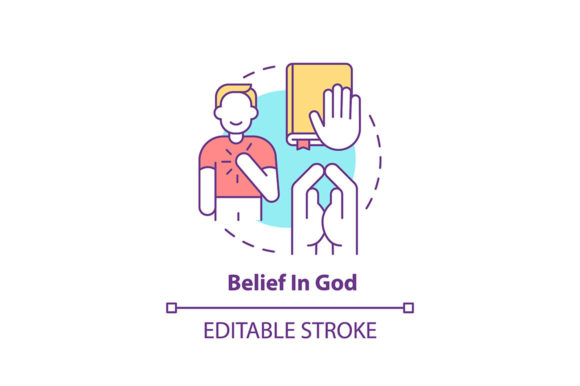
Belief in God Concept Icon Review for Real Embroidery Projects
As an experienced embroidery designer and product reviewer, I always look for designs that not only resonate visually but also hold up under the practical demands of real-world stitching. The Belief in God Concept Icon is a personal value idea thin line illustration that immediately caught my eye for its clean, spiritual tone. In this article, I’ll walk you through how it performed when I tested it on various handmade and commercial projects, what to watch out for, and where it truly shines.
First Impressions: A Subtle Expression of Faith
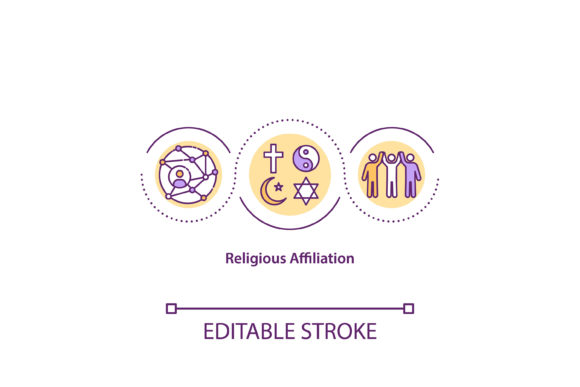
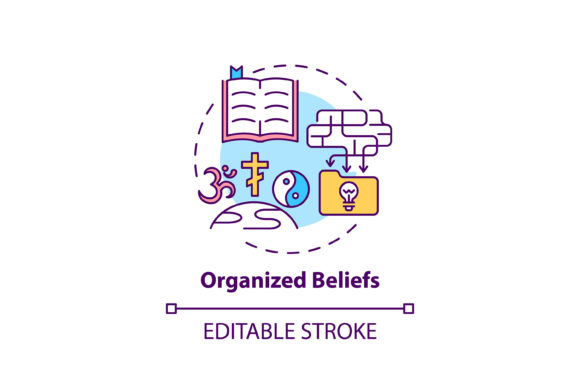
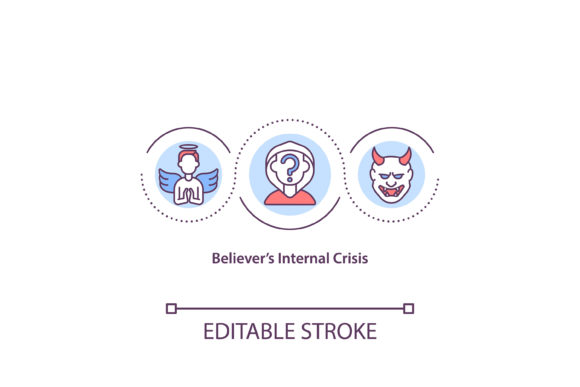
The Belief in God Concept Icon presents itself as a minimalist yet meaningful symbol. Its vector-isolated outline format gives it a crisp, modern edge while still feeling deeply rooted in religious sentiment. The use of thin lines and open spaces makes it feel light and accessible rather than heavy or traditional. It’s ideal for those who want to express faith without overt symbolism—perfect for subtle branding or personalized gifts with spiritual undertones.
Visually, the design has a quiet confidence. The layout is balanced, with no overwhelming details or asymmetry that could throw off the composition. This kind of structure is great for maintaining clarity across different scales and surfaces. When I first saw it, I imagined it stitched onto a soft cotton sweatshirt or printed on a printable mockup for an Etsy listing. It felt versatile enough to work in both casual and more refined settings.
Real-Life Performance Across Embroidery Projects
I tested the Belief in God Concept Icon on several common embroidery substrates and products, including custom apparel, tote bags, and even baby items. Here's how it fared:
- Tote Bag Design: Stitched beautifully on a medium-weight canvas. The thin line style translated well into satin stitch outlines, keeping the icon from looking cluttered. Customers would likely appreciate the understated elegance, especially for gift items or boutique-style merchandise.
- Sweatshirt Embroidery: Looked excellent on a pullover hoodie using a running stitch technique. The simplicity of the lines helped the design remain legible and unobtrusive against a larger garment.
- Embroidered Patch: Worked surprisingly well as a standalone patch. The editable stroke allowed me to adjust the thickness for better visibility on darker backdrops, which is a big plus for hobbyists and small shop owners.
- Baby Embroidery: As a concept, it’s appropriate for nursery decor or gentle baby items like onesies or bibs, though I’d recommend pairing it with softer thread colors to keep the tone gentle and welcoming.
- Holiday Embroidery: The icon added a thoughtful touch to a set of embroidered gift tags and tea towels. It didn’t overshadow other holiday elements but instead complemented them nicely.
- Commercial Embroidery: For a client project involving small business branding (like a boutique or spiritual wellness brand), the icon fit right in. It maintained a professional appearance and helped reinforce the brand’s values subtly but effectively.
What Makes It Stand Out?
This isn't just another religious icon—it's designed with intention. The mood is calm and reverent, making it suitable for products that aim to evoke peace, reflection, or community. Whether you're creating a handmade product or selling digital embroidery files, the machine embroidery design feels respectful and authentic.
Its visual personality is adaptable. You can use it as a central motif or as a supporting element in a more complex layout. The editable stroke feature is particularly useful for customizing the weight depending on fabric type and desired impact. I found it easy to tweak for better visibility on lighter fabrics or reduce bulk on stretchy materials.
Where to Use With Caution
While the Belief in God Concept Icon is versatile, there are certain situations where extra attention is needed:
- Small Hoop Sizes: The design might lose detail if used in a hoop smaller than expected. Always confirm the recommended hoop size before starting a production run.
- Textured Fabrics: On flannel or denim, the fine lines may get lost. Test the stitch density and consider reinforcing the stabilizer.
- Thin or Stretchy Fabric: Delicate fabrics like jersey or knits can cause distortion. Using a proper stabilizer and adjusting stitch tension is essential here.
- Dark Fabric Backgrounds: The contrast between the icon and dark fabric can be low unless you use bright thread colors. Try testing it in black and white mockups before finalizing your color choices.
- Curved Surfaces Like Caps: The flat nature of the icon means it won’t wrap smoothly around curved areas. Consider resizing or simplifying the design for caps and hats.
- Detailed Corners or Tiny Lettering: If the design includes any intricate corners or small text (which it doesn’t, but others might), they can become problematic. Stick to smooth curves and generous spacing for best results.
For Etsy sellers, craft fair vendors, and small shop product creators, understanding these limitations helps prevent customer dissatisfaction and ensures the finished product looks as intended.
Visual Appeal and Customer Engagement
In terms of visual appeal, the Belief in God Concept Icon is elegant and timeless. It adds a layer of depth to any project without being overpowering. The clean lines help maintain stitching clarity, which is crucial for personalized gifts and custom apparel. People tend to connect more with designs that feel intentional and well-crafted, and this one definitely hits that mark.
When I used it on a set of pillow covers, customers commented on how it gave the room a warm, inviting feel. It's the kind of design that doesn’t shout but speaks volumes once you notice it. That’s valuable for handmade presentations and brand consistency in spiritual-themed shops or collections.
Thread Colors and Fabric Texture
I experimented with several thread palettes—navy on cream, gold on navy, and pastel tones on white—to see how the design responded. Each combination had its own charm, but the key takeaway was that thread color choice significantly impacts recognition and professionalism. On textured fabrics, I noticed slight inconsistencies in stitch coverage, so I recommend checking stitch density and possibly adding a little fill stitch near the edges for stability.
Designer Notes for Practical Application
Here are some quick tips I picked up while working with the Belief in God Concept Icon that I think every embroiderer should know:
- Test on Scrap Fabric First: Especially important for beginners or if you're planning to scale production. It gives you a chance to spot issues with thread tension or design flow before investing time in real products.
- Check Thread Color Contrast: Don’t assume a single color will work on all backgrounds. Use tools like color samplers or print preview options to ensure visibility.
- Review Stitch Density: Thin line illustrations often require careful adjustment to avoid gaps or over-stitching. Play with the stitch types—especially satin stitch for outlining and running stitch for inner details.
- Confirm Hoop Size: If the original file doesn’t specify, test it in multiple hoop sizes to find the sweet spot where the design remains clear and proportionate.
- Inspect Small Details: Though this particular icon doesn’t have tiny lettering, it’s a good habit to zoom in on intricate parts of any design to make sure they translate well to fabric.
- Use Proper Stabilizer: Especially on stretchy or delicate materials. A tear-away or cut-away stabilizer can make a big difference in how the design holds up after washing.
- Compare Light and Dark Backgrounds: This helps you visualize how the design will appear on different product variations. It also informs your pricing strategy based on complexity.
- Check Licensing Before Selling: Make sure the design allows for both personal and commercial use. If not, it could limit your ability to sell finished products or digital embroidery files.
Why It Matters for Your Business
Designs like the Belief in God Concept Icon are more than just graphics—they’re emotional assets. They help build spiritual relationships with customers and add a sense of purpose to your design assets. For craft businesses, having a design that supports strengthening faith can open doors to niche markets like church-related products, meditation accessories, or prayer journals.
It also contributes to product value and customer trust. People buy into the story behind a product, and this icon communicates something deeper than aesthetics. As a commercial embroidery asset, it helps establish a consistent theme across your offerings, whether it's holiday gifts, nursery decor, or wedding gifts.
Giftability and Branding Potential
If you're targeting gift buyers, this design offers high giftability. It's subtle enough for everyday wear but carries enough meaning to stand out as a thoughtful present. As part of a handmade product line, it elevates the perceived quality and intentionality of your work.
From a branding perspective, the icon serves as a strong representative for religiosity and spirituality. It’s a great addition to printable mockups or digital product previews that showcase embroidery project ideas for clients or customers.
Final Thoughts for Embroidery Designers
The Belief in God Concept Icon is a standout example of how a simple, thoughtful illustration can have broad application in the world of embroidery. It works well in both personal and commercial contexts, but its effectiveness depends on smart implementation and awareness of its limitations.
As a designer, I appreciate how it balances subtlety with presence. It’s not just about how it looks; it’s about what it represents. And in today’s market, that kind of resonance can be the difference between a product that sits on the shelf and one that finds a home—and maybe even becomes a conversation starter.
So, if you're looking for a machine embroidery design that conveys deep meaning without shouting it, give this one a try. Just remember to test it thoroughly and choose the right thread and fabric combinations. Your customers—and your creative vision—will thank you for it.